Giải Pháp ERP May Đo & Tích Hợp AI
Phát triển hệ thống ERP chuyên biệt theo đúng quy trình doanh nghiệp: Quản trị sản xuất (MRP), kho vận, kế toán chi phí, bàn giao 100% mã nguồn on-premise.


Phát triển hệ thống ERP chuyên biệt theo đúng quy trình doanh nghiệp: Quản trị sản xuất (MRP), kho vận, kế toán chi phí, bàn giao 100% mã nguồn on-premise.


Tự động hóa quy trình bằng robot sử dụng các bot để tự động hóa các tác vụ lặp đi lặp lại.
Dịch vụ BPO giúp doanh nghiệp thuê ngoài các hoạt động một cách hiệu quả và tập trung vào tăng trưởng.

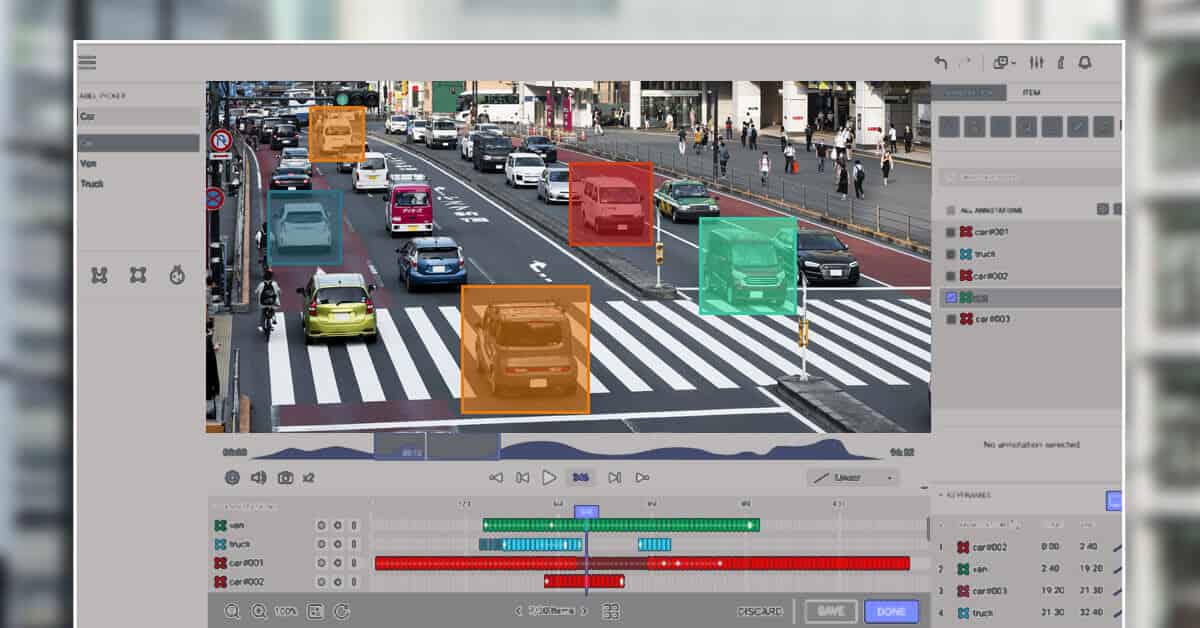
Công ty Cổ phần Remo là đơn vị cung cấp dịch vụ AI Data Processing và AI-focused Business Process Outsourcing (BPO), đồng hành cùng doanh nghiệp trong việc xây dựng, huấn luyện, triển khai và mở rộng các giải pháp Trí tuệ nhân tạo (AI).
Chúng tôi tập trung chuyên sâu vào xử lý và gán nhãn dữ liệu AI, khác biệt so với các mô hình BPO truyền thống.
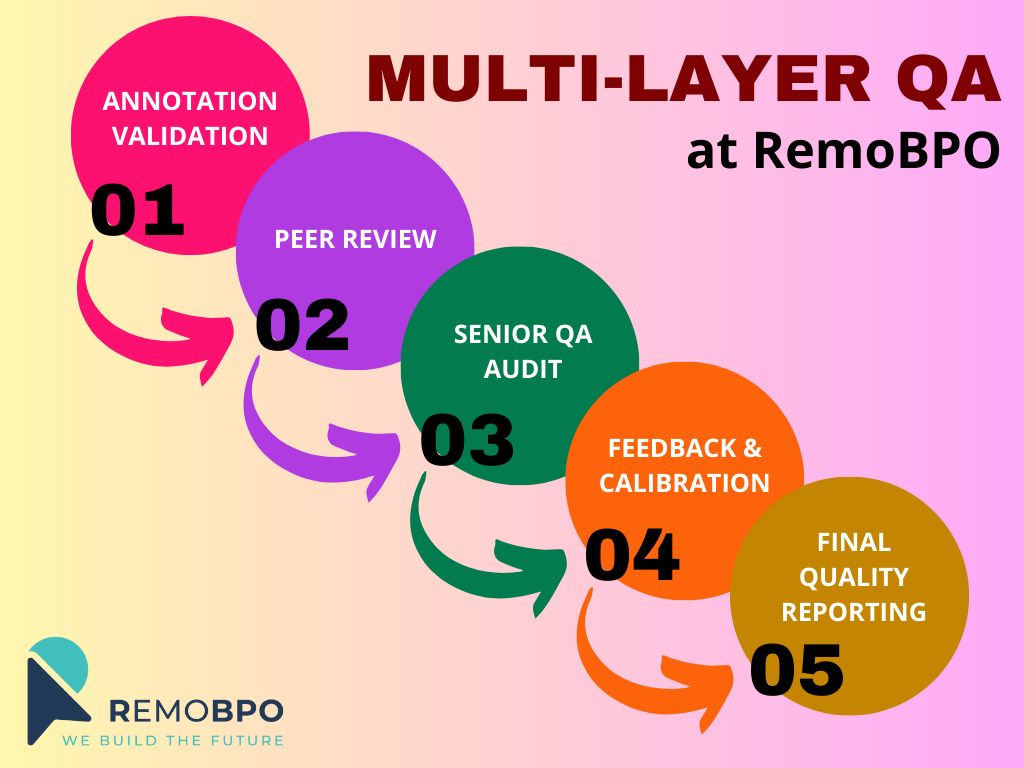
Quy trình rõ ràng, minh bạch giúp khách hàng kiểm soát chất lượng và chi phí hiệu quả.
Tiếp nhận và phân tích yêu cầu dữ liệu, mục tiêu và phạm vi dự án từ khách hàng.
Thực hiện xử lý, gán nhãn và kiểm soát dữ liệu theo quy trình chuẩn hóa.
Rà soát, đánh giá và đảm bảo độ chính xác dữ liệu theo tiêu chuẩn đã cam kết.
Bàn giao dữ liệu, hỗ trợ điều chỉnh và tối ưu theo phản hồi thực tế.
Chỉ vài thao tác đơn giản để kết nối với đội ngũ chuyên gia AI Data Processing của chúng tôi.
Chúng tôi sẵn sàng tư vấn theo nhu cầu và thời gian của bạn.

Chia sẻ kiến thức, xu hướng công nghệ và kinh nghiệm triển khai
AI Data Processing & AI-focused BPO cho doanh nghiệp.
Bạn đang tìm đối tác triển khai?
info@remobpo.com


Tầng 2 số 21 đường Mỹ Đình, Phường Từ Liêm, Thành phố Hà Nội, Việt Nam